
Update as of 16th January 2026
PETA India has written to the Prime Minister and the Union Minister of Fisheries, Animal Husbandry and Dairying urging immediate intervention following a public warning letter issued by the United States Food and Drug Association (FDA) to Telangana based beagle-breeder and animal experimentation laboratory, Palamur Biosciences citing ‘serious violations’ of Good Laboratory Practice [GLP], ‘systemic failure’ and animal welfare concerns based on the whistleblower led complaints raised by PETA India. In its letters, PETA India urges the authorities to look into Palamur’s non-compliance, the rescue and rehabilitation of the animals suffering at the laboratory and the compromised and conflicted functioning of India’s statutory animal experimentation regulator, the Committee for the Control and Supervision of Experiments on Animals (CCSEA) whose Core Committee is largely made up of animal experimenters and persons from animal experimenting facilities despite its mandate “to ensure that animals are not subjected to unnecessary pain or suffering before, during or after performance of experiments on them”.
Update as of 23 July 2025
PETA India files strong objection in Delhi High Court to the Committee for Control and Supervision of Experiment on Animals (CCSEA) recommendation of a scientist from an Indian Institute of Science (IISC), a facility previously accused of mass animal killings and other cruelty, to inspect cruelty to animals at Palamur Biosciences. Additionally, PETA India has requested the court to, at a minimum, order the release of 73 beagles that Palamur Biosciences has marked as for rehabilitation, but who are still kept in cages at the facility, to reputed NGOs willing to care for and adopt out the dogs.
Update as of 10 July 2025
Following a petition filed by PETA India, a bench consisting of Justice Sachin Datta of the High Court of Delhi ordered the government body CCSEA to take interim remedial steps against Palamur Biosciences Pvt. Ltd. while citing objectionable findings and the recommendations of the inspection report that was submitted to CCSEA on 17 June 2025, particularly in relation to the company’s handling, housing, euthanasia practices, and veterinary care of animals.
The inspection report, prepared by a CCSEA-appointed committee recommended urgent review of the facility’s registration to breed and experiment on animals and the rehabilitation of all 1200+ animals it houses. The court has also prohibited Palamur Biosciences from procuring or housing any new animals. Additionally, a fresh inspection of the facility was ordered within the next week and CCSEA is directed to take requisite steps to address areas of concern identified. CCSEA is further directed to file a status report within two weeks.
Update as of 17 June 2025
HISTORIC FIRST: After PETA India’s complaint, a FIR has been registered against Telangana-based animal experimentation laboratory—Palamur Biosciences for animal abuse —including causing severe injuries to dogs and the poisoning of piglets. This is the first time an FIR has been registered against an animal experimentation laboratory in India.
Behind the closed doors of Telangana-based Palamur Biosciences Pvt Ltd—a contract laboratory that tests drugs, pesticides, and medical devices on animals, often for foreign clients—lies shocking cruelty. PETA India’s exposé of this major contract laboratory, self-proclaimed as “one of the largest preclinical service providers” in India, is the country’s first-of-its kind. Thanks to whistleblowers, PETA India takes you behind the secretive walls of the contract research industry and inside a laboratory where bloodied beagles lie on the floor, minipigs are poisoned, and rhesus macaques are killed.
In October 2024, PETA India filed official complaints with authorities about the likely unauthorized testing on rhesus macaques at Palamur Biosciences. But what came next was even more shocking: whistleblowers stepped forward—sharing gut-wrenching testimony, images, and footage from inside the laboratory. The animal suffering they revealed is not only cruel—it appears to be criminal.
Too Many Dogs, Too Little Space—and No Escape
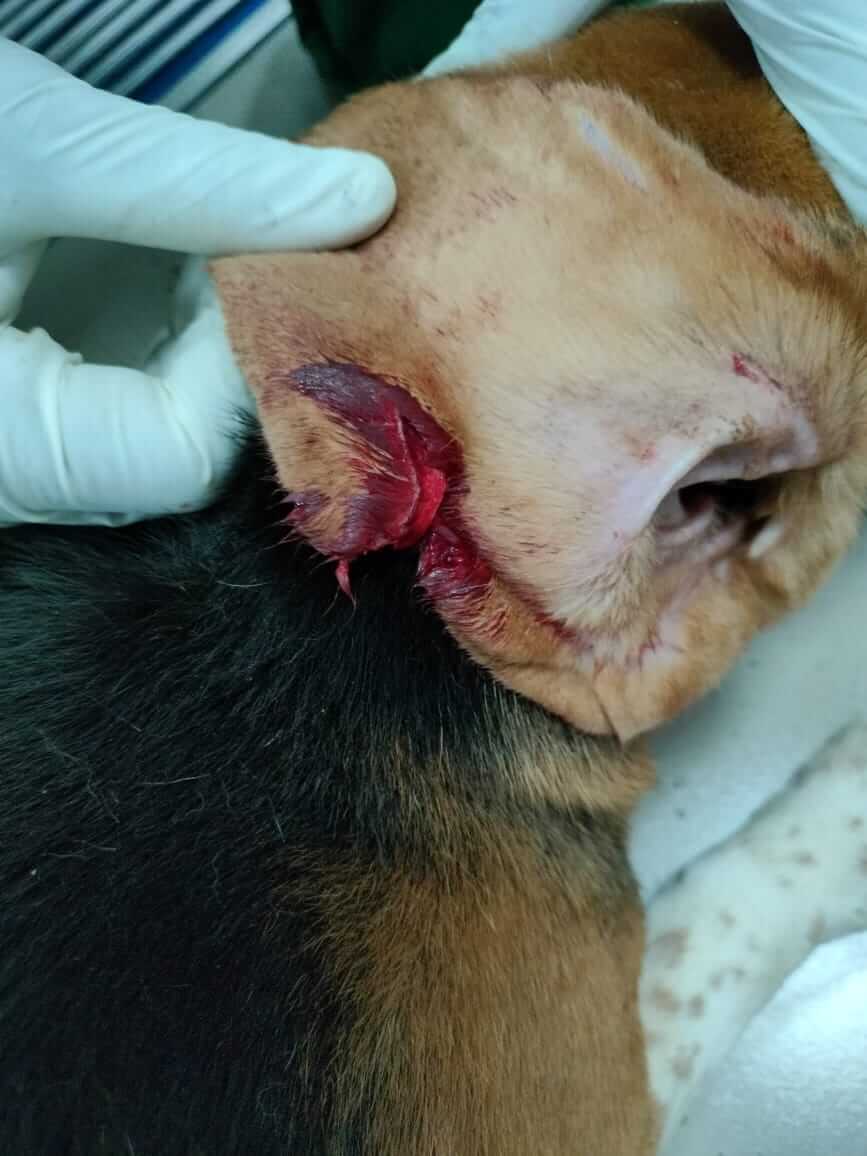
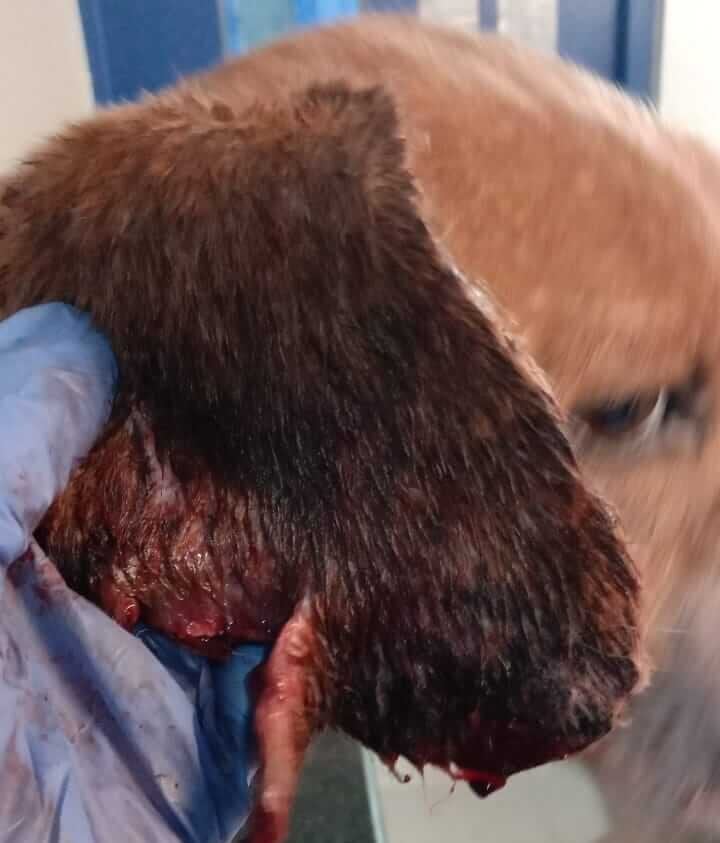
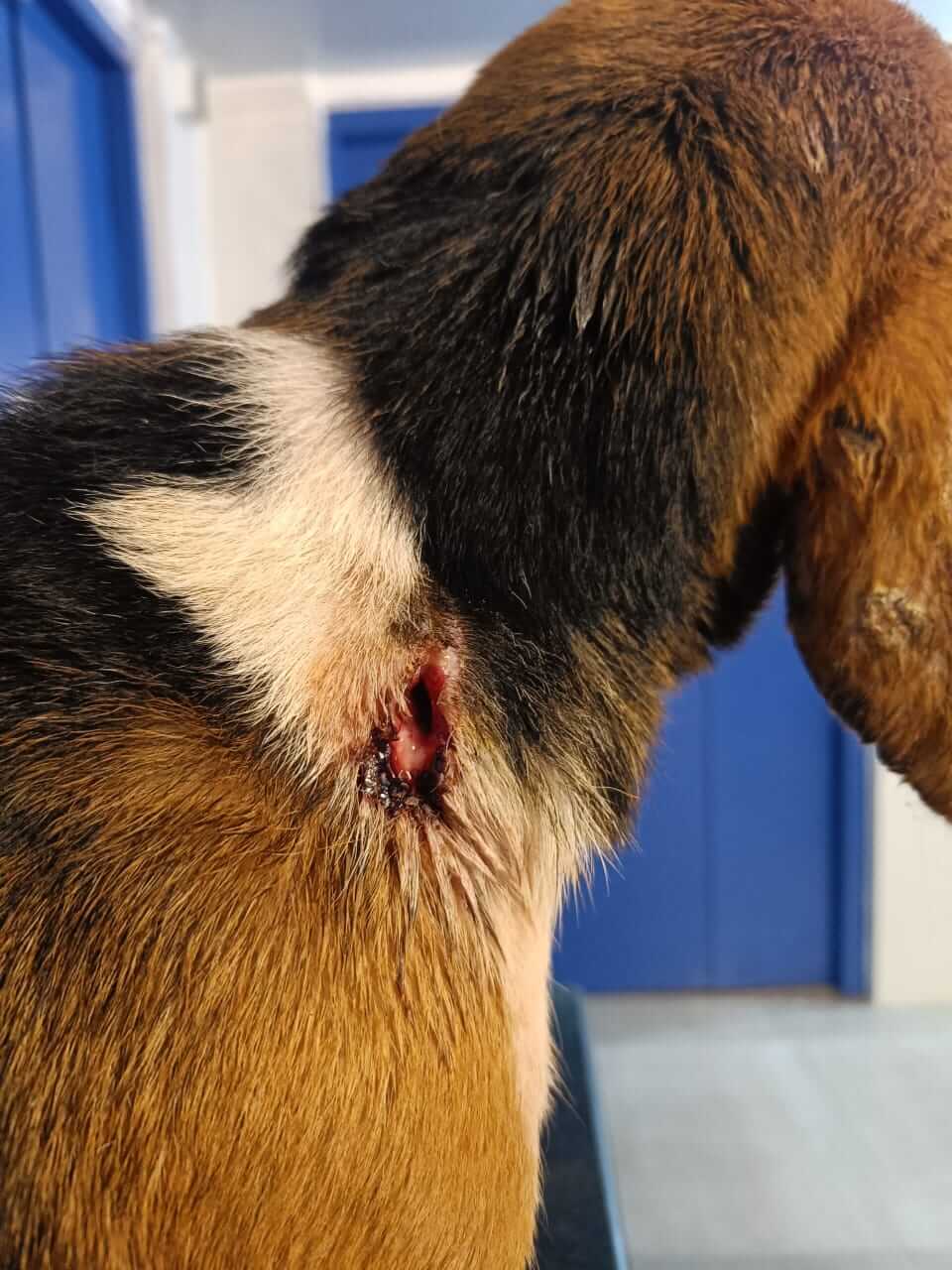
The company also operates a beagle breeding facility, and whistleblowers say around 1500 dogs were crammed into overcrowded cages, with several forced to live in spaces meant for just two. Reportedly trapped with little space to move, no enrichment, and no socialization, the dogs became aggressive and competed for food, often biting one another out of frustration. The result? Bloodied and torn ears and other wounds—and no pain relief.
“Useless” Means Dead
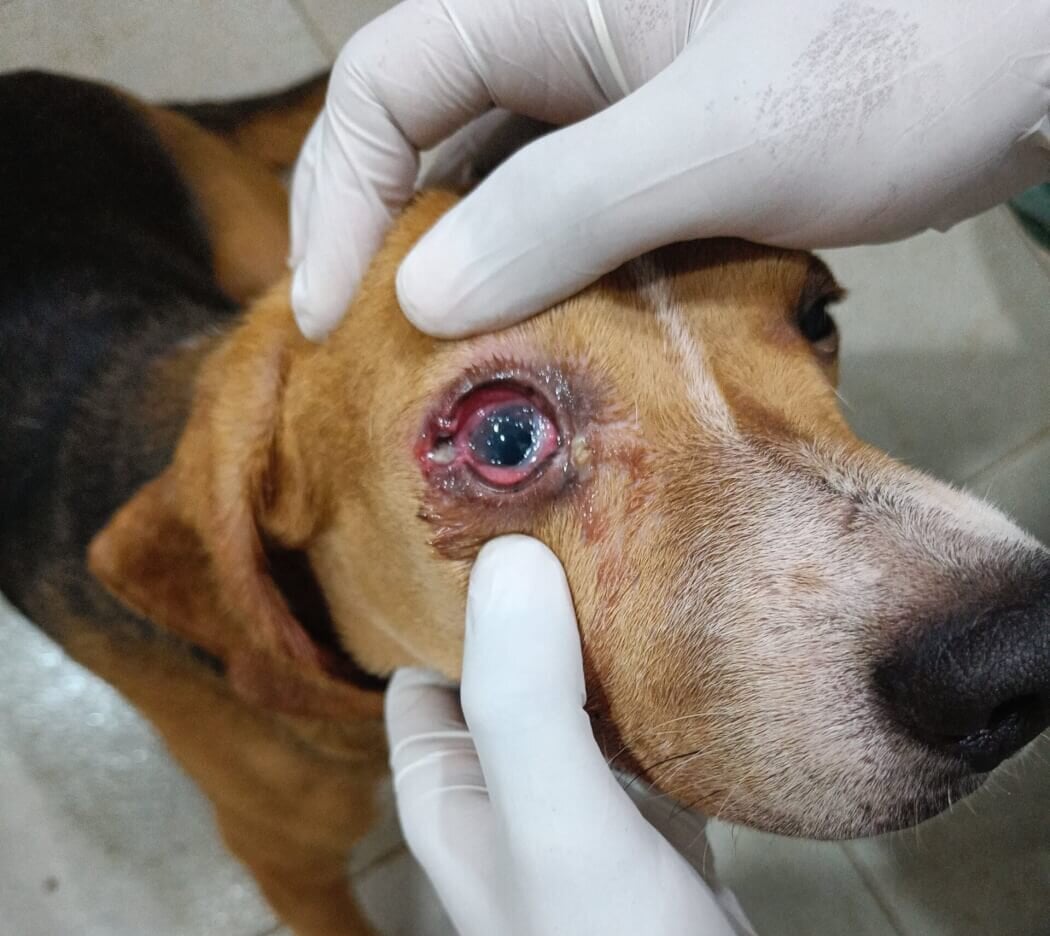
A whistleblower reveals that at Palamur, a dog with a treatable condition like cherry eye is seen not as a patient, but as a burden. A beagle with a fungal infection? Apparently killed—rather than treated. One whistleblower told PETA India that over 100 dogs were killed in a single incident simply because they were no longer considered “useful.”
Monkeys Stolen from the Wild and Silenced Forever
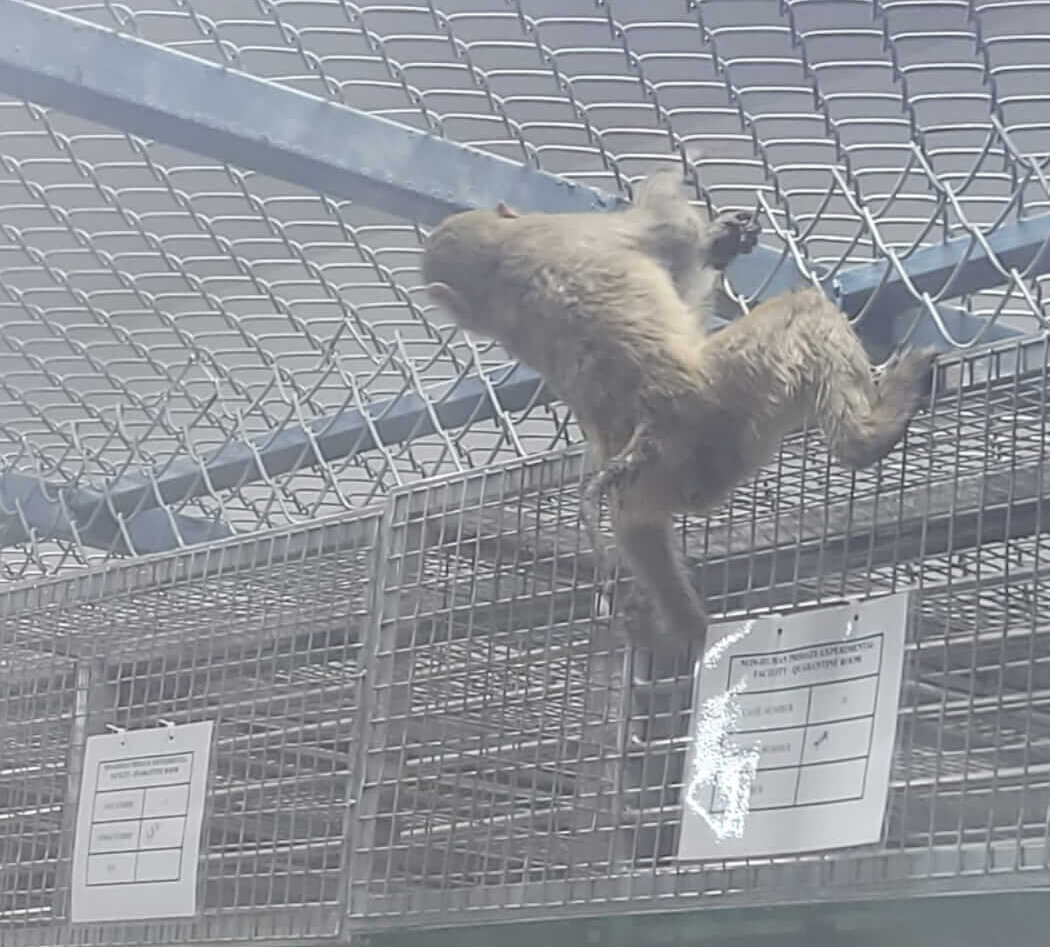
Palamur appears to have obtained wild rhesus macaques from Rajasthan, including through a dubious dealer. These sentient monkeys were tested for pathogens, and some were reportedly suspected to carry the zoonotic virus monkeypox, which can be transmitted to humans. Instead of alerting authorities, the lab allegedly killed the monkeys in secret to hide the dangerous risk to public health. Moreover, monkeys who were transported alongside those thought to be harboring monkeypox—and who initially tested negative—were retested only one week after arriving at Palamur, despite the virus’s potentially longer incubation period. These monkeys were then used in experiments—importantly, even an undetected monkeypox infection could have compromised the results.
Piglets Born to Die
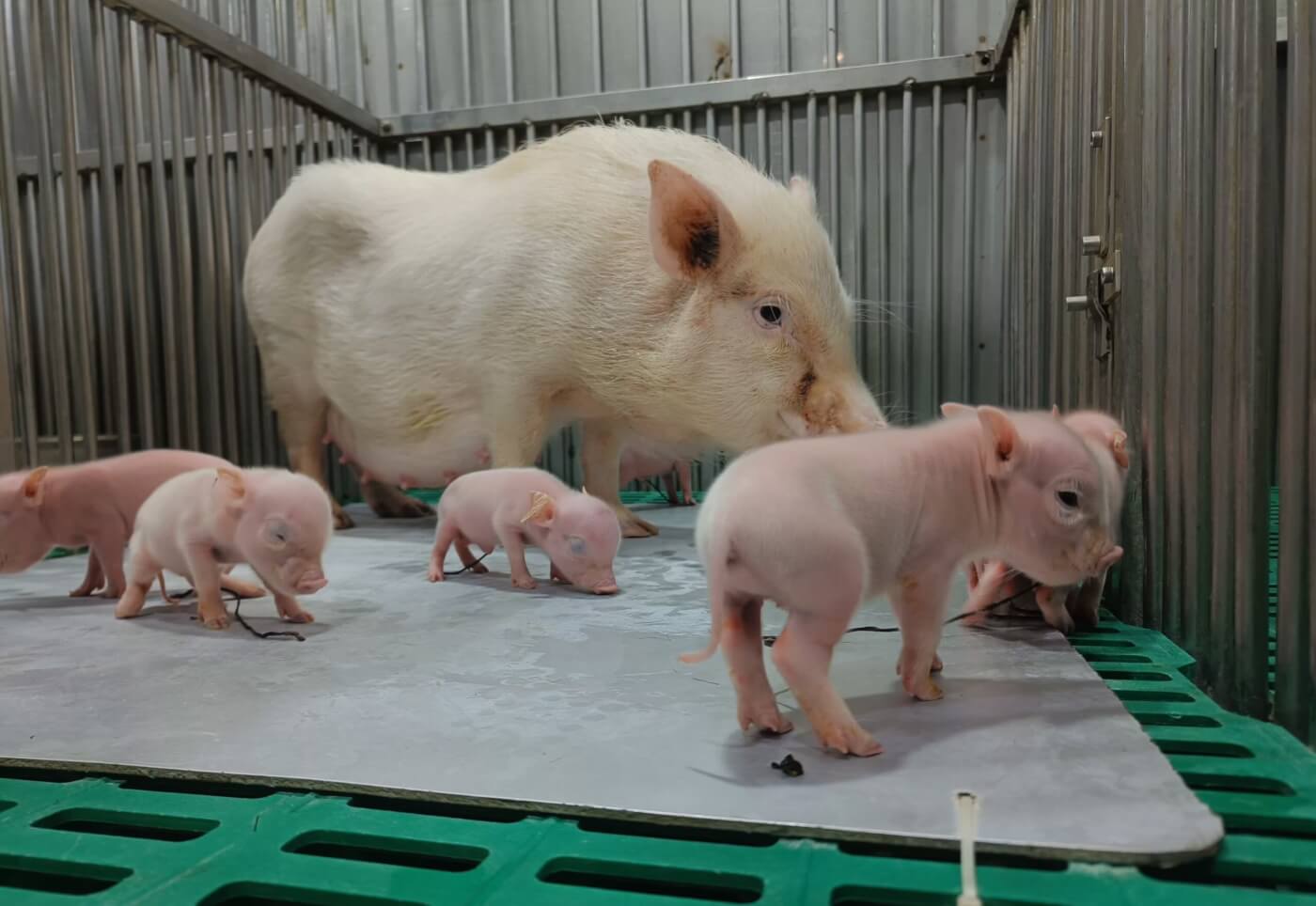
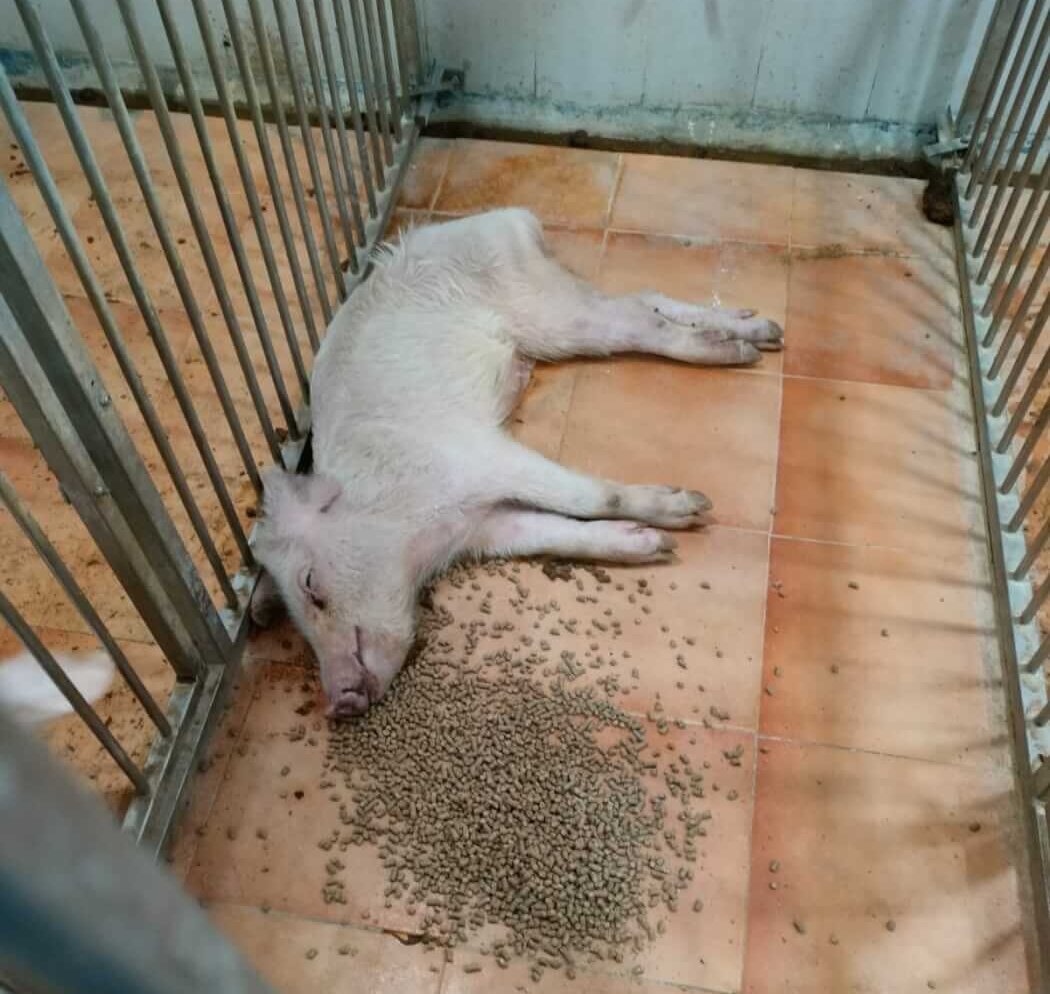
A whistleblower said the company is not licensed to breed minipigs—so when a Göttingen minipig unexpectedly gave birth, all of her babies were reportedly killed. These intelligent animals are apparently confined to barren cages. On paper, they’re promised enrichment. In reality, a whistleblower states they are removed from cages only for experiments, for show for visitors and destroyed at convenience.
Suffering by Design: What Testing Looks Like Here
- Chemicals injected under the skin—reportedly causing abscesses and infections so severe that in some cases, the dogs couldn’t even move.
- Drugs forced down their throats, apparently leading to abcesses, weight loss, and agonizing deaths.
- Bloody wounds, untreated pain, and no compassion. One whistleblower said plainly: “It’s like hell.”
Abuse Isn’t Accidental. It’s Routine.
Staff reportedly kick dogs, negligently close cage doors on their limbs, and handle them so roughly that bones are broken. Cameras show beagles whimpering in pain, as if pleading for some gentleness, any gentleness. When no one is watching, cruelty thrives. One worker confessed: “If there are no customers or higher-ups around, we don’t bother following the methods.” One chilling quote sums it up: “Everything is corrupted.”

The Final Moments: Terrified, Awake, and Alone
When the dogs are killed, the company reportedly uses a drug called thiopentone—but doesn’t sedate them first. Piglets were reportedly given an intracardiac injection to kill them. Their last experience is pain or fear—not comfort.
What They Hoped You’d Never See
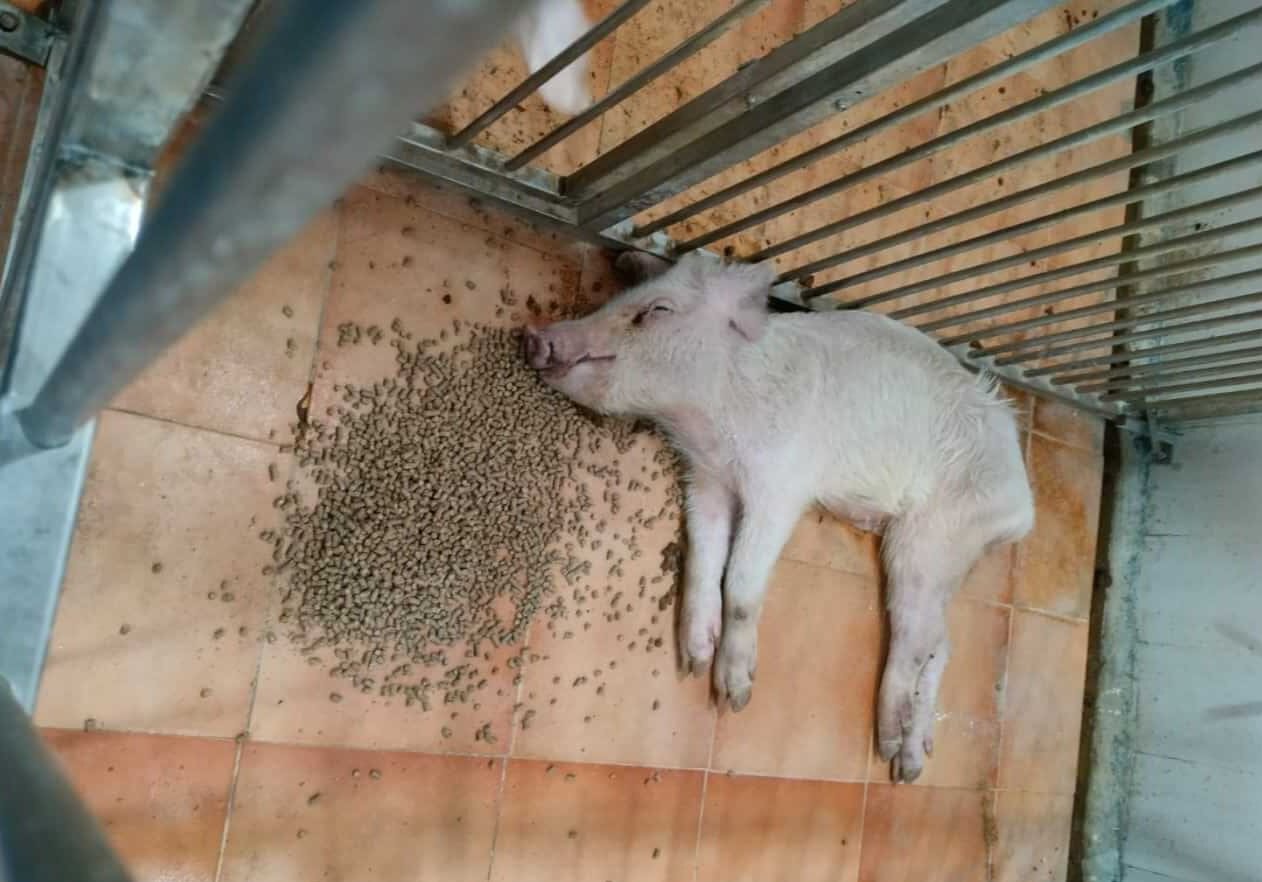
PETA India reviewed files of damning photos and videos submitted by insiders at Palamur. They show:
A dog with a neck abscess, untreated and swollen
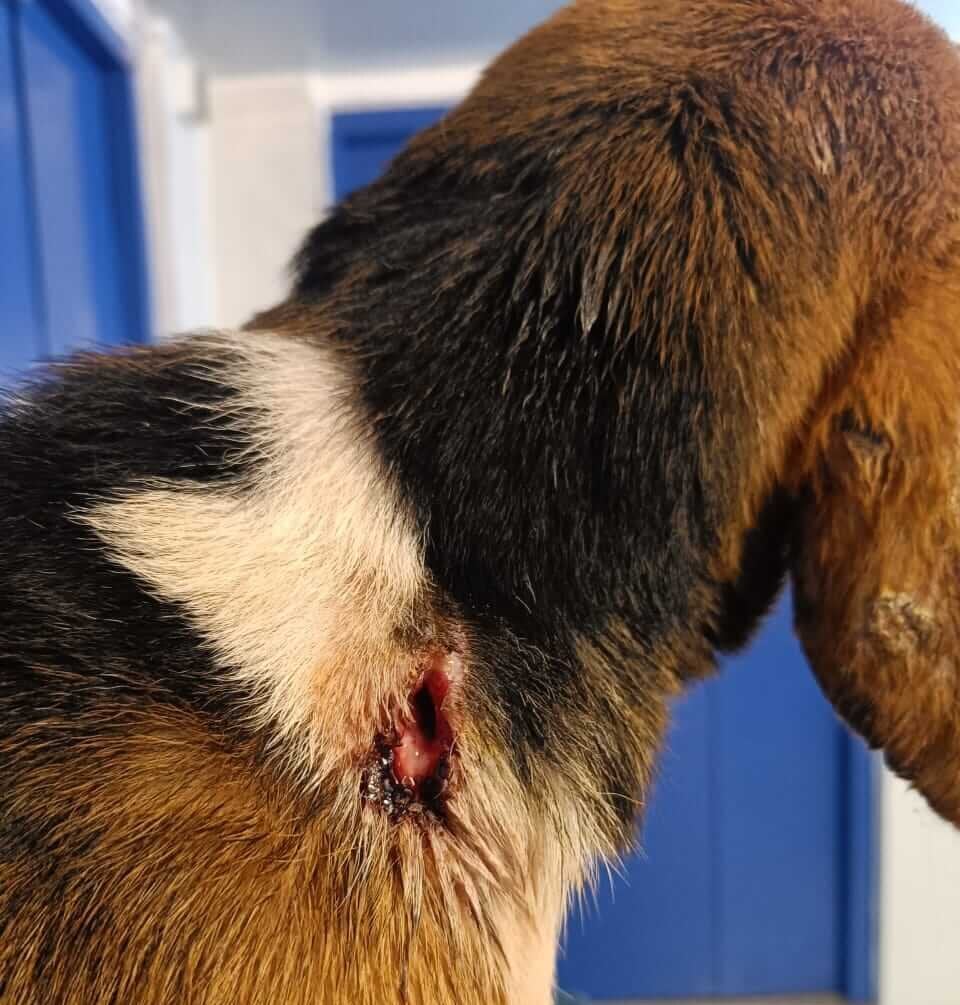
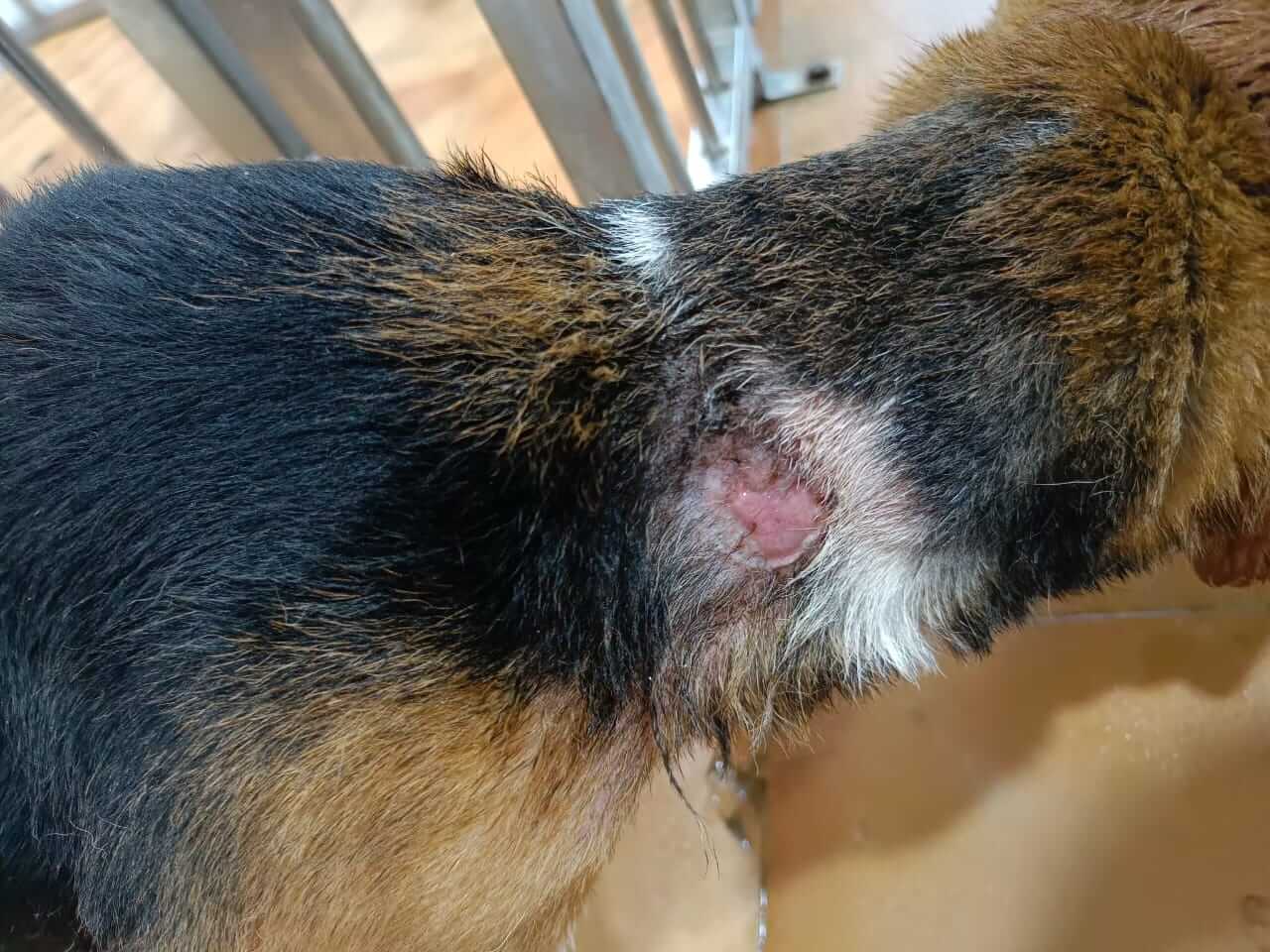
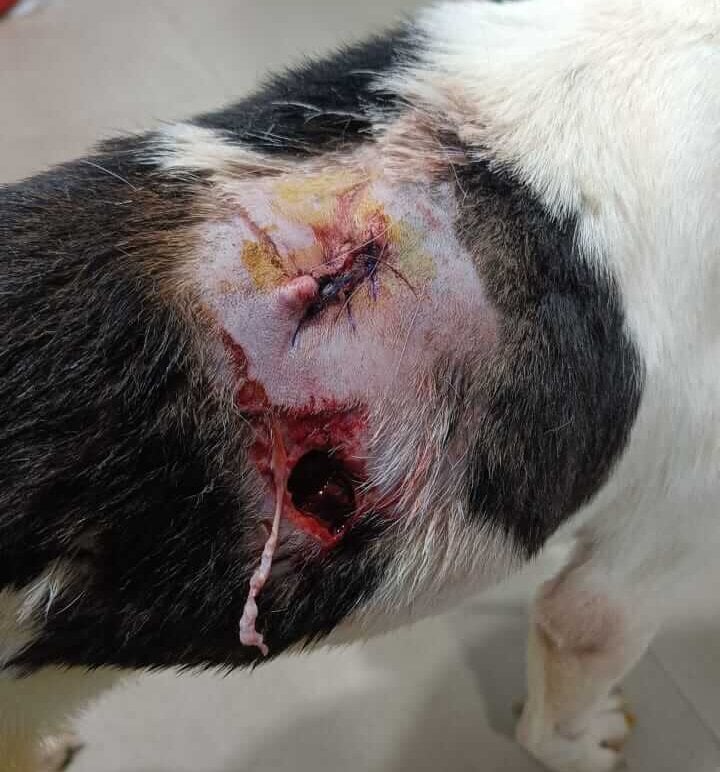
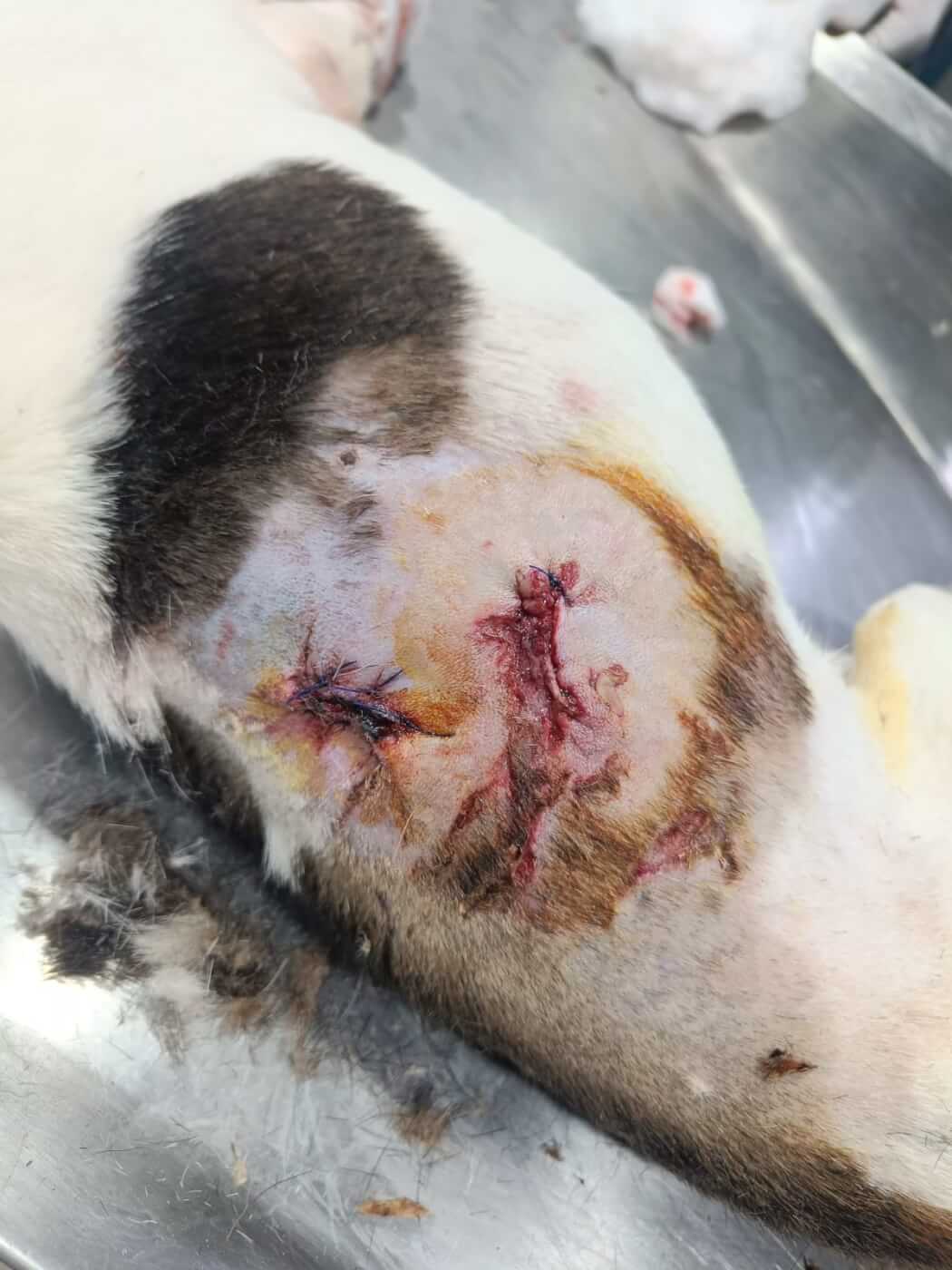
Beagles with crudely stitched-up wounds from cage fights
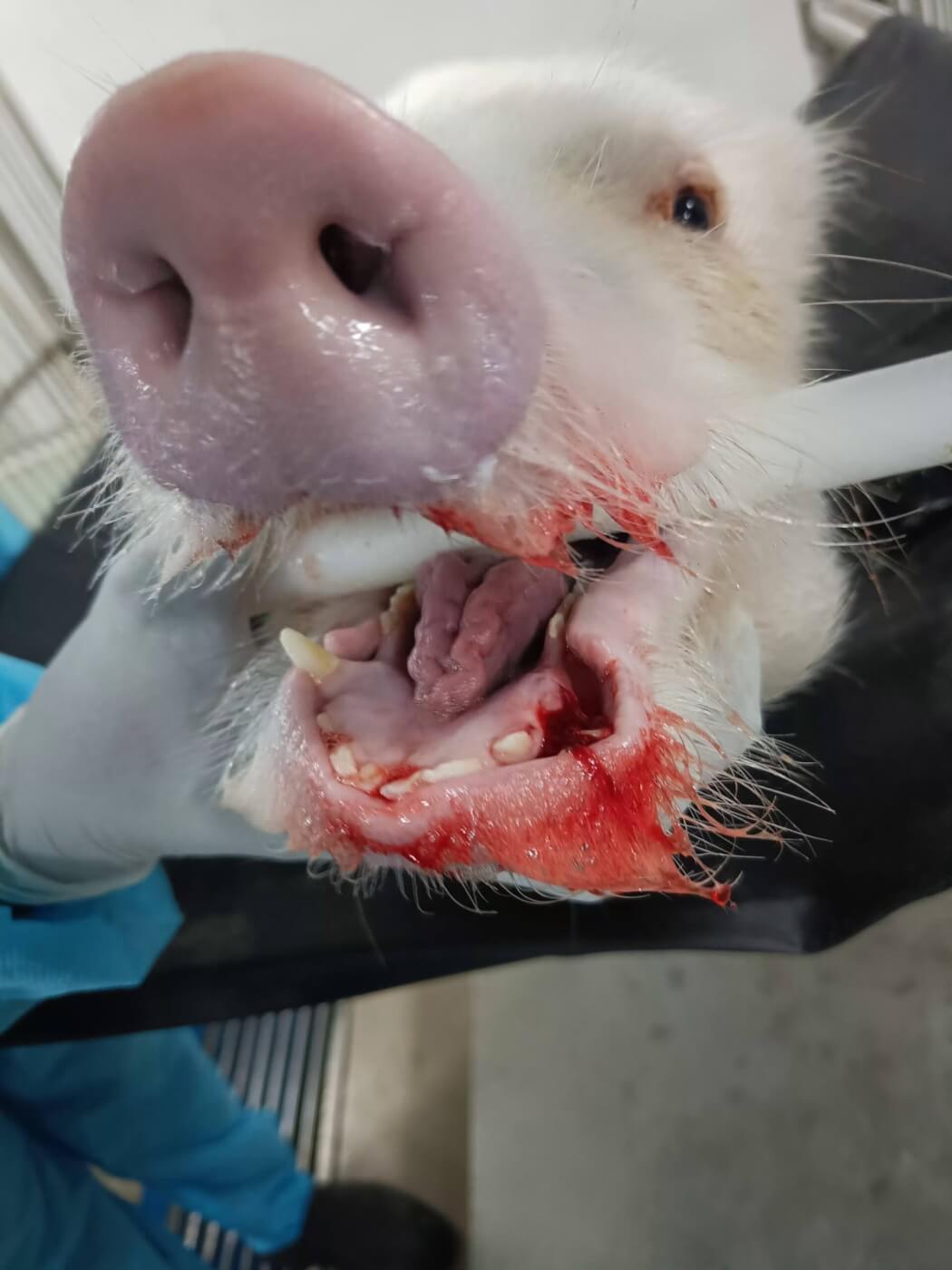
Pigs with bloody mouths from a dosing bar used to keep the mouth open
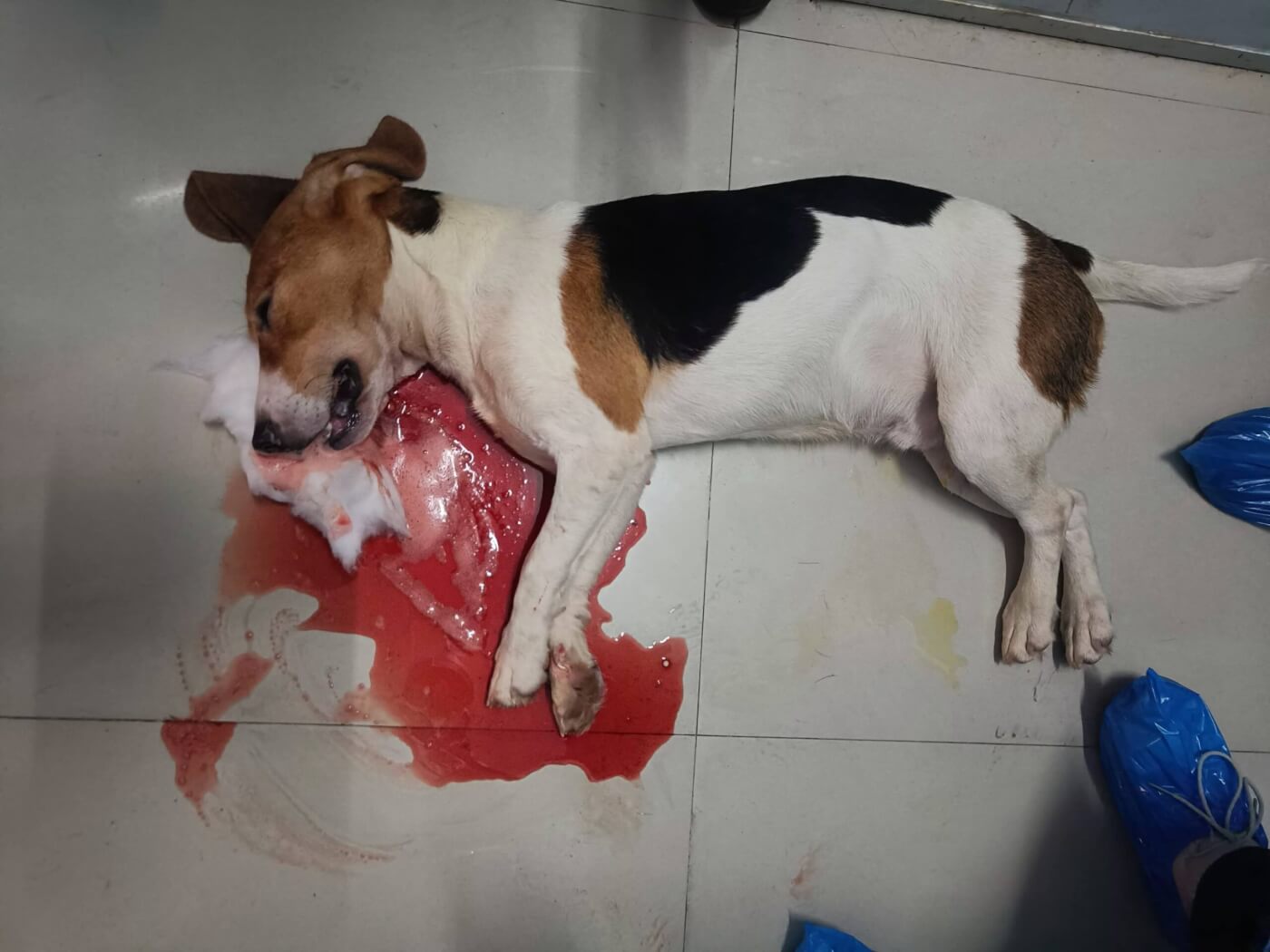
A dog in a pool of blood
A piglet born at the lab, only to be killed before taking her first steps
We Cannot Look Away
This is not an isolated case. It is a window into a system where animals are abused and discarded. Palamur Biosciences must be held accountable.
PETA India has submitted formal complaints to government authorities and is calling for:
- Permanent shut down of all animal testing projects at Palamur Biosciences, and immediate closure of its breeding centre
- Immediate seizure and rehabilitation of any animals in custody of Palamur Biosciences
- Prosecution of those responsible
- Stronger enforcement of animal protection laws
- A shift to cutting-edge, animal-free research methods
You Can Help Stop This
Raise your voice. Demand justice for these animals. Join us in asking the authorities to help rescue and rehabilitate animals suffering at Palamur and for the CCSEA to act on the recommendations of the 17 June 2025 inspection report as directed by the Hon’ble High Court of Delhi. Help stop the cruelty at Palamur Biosciences.

